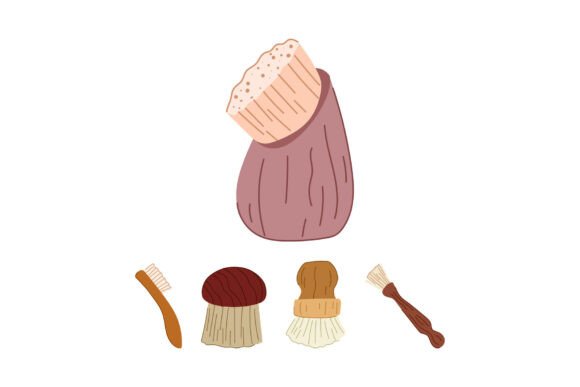
Cleaning Mushrooms Using Various Kitchen Brushes
Foraging for wild mushrooms or selecting premium cultivated varieties at the market is only half the culinary journey. The true test of a cook’s patience and precision begins when those earthy treasures hit the kitchen counter. Cleaning mushrooms using various kitchen tools is not merely about hygiene; it is a critical step in preserving texture, flavor, and safety. Wild mushrooms, in particular, carry the forest floor with them—pine needles, moss, grit, and soil are often wedged deep into gills and crevices. Rinsing them under a tap can turn delicate fungi into waterlogged sponges, diluting their complex umami profiles. This is where specialized brushes become indispensable extensions of your hand, allowing for meticulous preparation that respects the ingredient's integrity.
The Purpose of Specialized Mushroom Brushes
When we discuss cleaning mushrooms using various kitchen implements, we are specifically addressing the need for mechanical removal of debris without moisture saturation. The primary goal is to maintain the mushroom's cellular structure. Water acts as an enemy to texture during the sauté phase; wet mushrooms steam rather than sear, resulting in a rubbery consistency rather than a golden-brown crust. Specialized brushes solve this problem by providing targeted friction.
Unlike standard vegetable scrubbers designed for thick-skinned potatoes or carrots, mushroom brushes feature softer, denser bristles. They are engineered to dislodge fine particulate matter from porous surfaces without bruising the flesh. For food bloggers and content creators, this distinction matters visually as well. A properly brushed mushroom retains its natural matte finish and structural beauty, whereas a washed one often looks slick and damaged in photographs. Understanding this tool-specific approach elevates both the culinary outcome and the aesthetic presentation of fresh produce.
Selecting the Right Brush for Specific Varieties
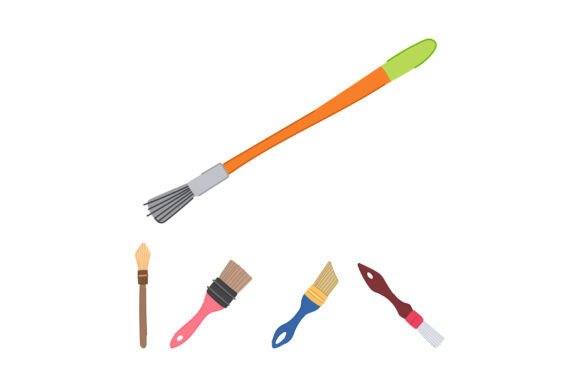
Not all fungi require the same level of abrasion. Successful preparation relies on matching the tool to the species. When cleaning mushrooms using various kitchen brushes, consider these common pairings:
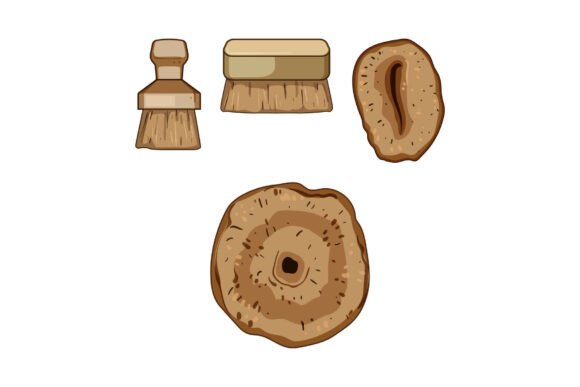
- Soft Natural Bristle Brushes: Ideal for delicate varieties like Chanterelles, Oyster mushrooms, or Black Trumpets. These brushes typically use goat hair or soft synthetic fibers that sweep away dust and pine needles without tearing the fragile gills or caps.
- Medium-Stiff Nylon Brushes: Best suited for sturdier wild mushrooms such as Porcini (King Bolete), Chicken of the Woods, or Hen of the Woods (Maitake). These bristles have enough backbone to remove embedded soil from pitted stems and dense clusters without damaging the outer cuticle.
- Toothbrush-Style Detailers: Essential for Morels and Lion’s Mane. The intricate honeycomb structure of Morels traps sand deep inside. A small-headed brush with tapered bristles allows you to clean individual ridges and hollows that larger tools simply cannot reach.
- Mushroom Knives with Integrated Brushes: A favorite among professional foragers and serious hobbyists. These combination tools allow you to trim the dirty stem base and immediately brush the cap in one fluid motion, streamlining field-to-kitchen workflow.
Practical Techniques for Gentle Scrubbing
Owning the right assortment of brushes is only the beginning; technique dictates success. Beginners often make the mistake of scrubbing too aggressively or in the wrong direction. When cleaning mushrooms using various kitchen methods, always work from the top down. Start at the center of the cap and brush outward toward the edges. This follows the natural growth pattern of the fungus and prevents pushing dirt deeper into the gills or cracks.
For wild mushrooms with significant soil accumulation, use a dry brushing method first. Remove the bulk of loose debris before considering any dampness. If a spot is stubbornly stuck, slightly dampen the brush tip—not the mushroom itself—and target only that specific area. This localized moisture application prevents systemic water absorption. Professionals often keep a dedicated "dry station" and a separate "detail station" to avoid cross-contaminating cleaned specimens with dirty ones. This systematic approach ensures efficiency, especially when processing large harvests for commercial kitchens, meal prep services, or educational workshops.
Beyond Hygiene: Safety and Quality Assurance
While flavor and texture are paramount, safety is the non-negotiable foundation of wild mushroom preparation. Cleaning mushrooms using various kitchen brushes serves a vital inspection function. The tactile feedback provided by brushing helps identify hidden issues that visual inspection alone might miss. Soft spots, insect damage, or early signs of decomposition often reveal themselves through resistance changes during brushing.
Furthermore, thorough cleaning removes potential allergens or irritants present in forest duff. Some wild mushrooms harbor microscopic organisms or residual environmental contaminants that simple rinsing cannot address. Mechanical brushing physically displaces these elements. For educators teaching foraging classes or entrepreneurs selling value-added mushroom products, demonstrating proper brushing techniques establishes trust and authority. It signals a commitment to quality control that goes beyond basic food handling regulations, appealing to discerning customers and students who prioritize safety alongside gastronomy.
Important Considerations Before You Begin
Before investing in an assortment of specialized brushes or attempting to clean a new variety, pause to assess your specific needs. Context determines necessity. A casual home cook preparing store-bought Cremini mushrooms once a month may only need a single soft brush. Conversely, a freelance chef specializing in seasonal wild foods requires a comprehensive kit capable of handling everything from slippery Jacks to gritty Truffles.
Consider maintenance as well. Mushroom spores and soil residues can accumulate in brush bristles over time, potentially harboring bacteria or mold. Choose brushes that are easy to sanitize. Natural bristle brushes offer superior performance for delicate work but require careful drying and occasional oiling to prevent brittleness. Synthetic options are generally dishwasher-safe and more durable for high-volume commercial use but may lack the nuanced touch needed for rare specimens. Balance performance with practicality based on your frequency of use and storage conditions.
Additionally, recognize when not to brush. Some cultivated mushrooms, like Enoki or Beech mushrooms, are grown in sterile substrates and rarely require more than a gentle wipe with a dry cloth. Over-cleaning can be just as detrimental as under-cleaning. Developing the sensory awareness to judge each mushroom individually is what separates competent cooks from true artisans. This judgment comes from experience, observation, and respect for the ingredient's unique biology.
Integrating Brush Cleaning Into Culinary Workflow
Ultimately, cleaning mushrooms using various kitchen brushes should feel like a meditative extension of cooking rather than a tedious chore. Create a dedicated workspace with good lighting and ample surface area. Arrange your brushes by stiffness so they are easily accessible. Process mushrooms in batches, sorting by type and condition before touching a brush. This organizational habit reduces fatigue and improves consistency.
For digital creators documenting this process, capture the contrast between the raw, forest-fresh state and the pristine, prepped result. Highlight the specific brush used for each variety to educate your audience. Share tips on sourcing quality tools and maintaining them. This authentic, experience-based content resonates far more deeply than generic advice because it demonstrates real-world application. Whether you are a small business owner packaging gourmet kits, a blogger sharing foraging stories, or a home enthusiast perfecting your risotto, mastering the art of brush cleaning transforms mushroom preparation from a task into a craft. The reward is evident in every perfectly seared cap and every bite that tastes unmistakably of the wild, unadulterated by excess water or compromised by grit.