Metal Wire Brush Tools Cleaning Equipment Guide
There is a distinct, tactile satisfaction in restoring a neglected surface to its former glory. Whether you are prepping a vintage steel frame for a new powder coat or simply removing years of oxidation from garden tools, the right abrasive equipment transforms an impossible chore into a manageable task. Metal wire brush tools cleaning equipment represents the intersection of brute force and precision engineering. Unlike chemical strippers that require ventilation and disposal protocols, or sandpaper that clogs instantly on heavy rust, wire brushes offer a mechanical solution that is both immediate and reusable. For designers fabricating custom furniture, entrepreneurs maintaining commercial spaces, or hobbyists restoring heritage items, understanding the nuance of these tools is as important as selecting the right color palette for a brand identity.
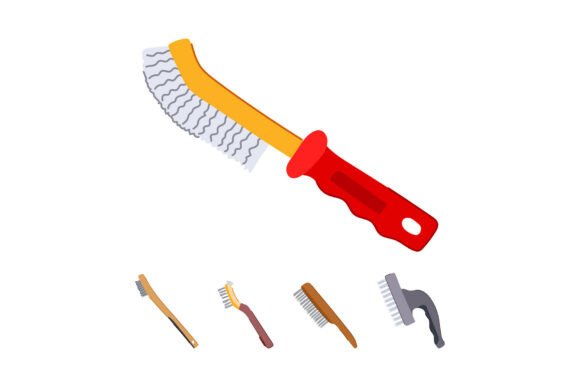
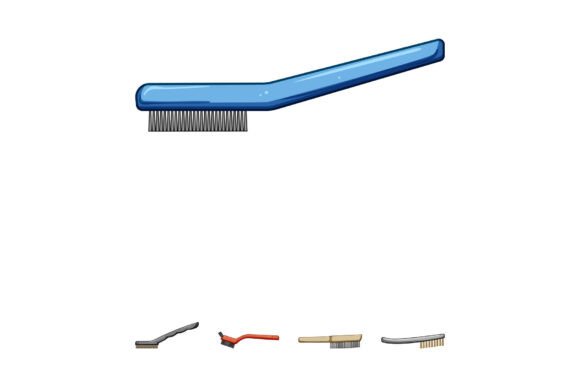
The visual character of this equipment is unapologetically industrial. A quality set of metal wire brushes communicates durability through its form factor. You will often see high-carbon steel bristles with a satin or brass-plated finish, crimped or knotted tightly into a reinforced base. The handles are typically molded from impact-resistant polymers in high-visibility colors or wrapped in textured rubber for grip during extended use. This aesthetic is not merely decorative; it signals professional grade capability. When you pick up a premium set, the weight distribution and bristle density provide immediate feedback on its intended application. Much like evaluating a modern typography choice for a logo design, assessing the physical build quality of your cleaning equipment ensures the tool matches the demands of the project.
Selecting Bristle Materials for Specific Surfaces
Just as a serif font conveys tradition while a sans serif suggests modernity, different wire materials communicate specific functional properties. Using the wrong material can damage the substrate or ruin the tool. Understanding these distinctions is critical for achieving a professional finish without causing costly rework.
- Carbon Steel: The workhorse of the industry. These bristles are aggressive and ideal for heavy-duty scrubbing on iron and steel. They excel at removing thick rust, weld slag, and stubborn paint. However, they should never be used on softer metals like aluminum or copper, as the steel wires can embed themselves in the surface, leading to future corrosion and staining.
- Brass and Bronze: Softer alternatives designed for non-ferrous metals. If you are cleaning antique brass fixtures, copper piping, or aluminum engine components, these are your go-to options. They provide enough abrasion to remove grime and light oxidation without gouging the underlying material. Brass brushes are also non-sparking, making them essential for safety in environments where flammable vapors may be present.
- Stainless Steel: Premium options required for food-grade surfaces, marine environments, or stainless steel fabrication. Standard carbon steel brushes leave behind iron particles that will eventually rust, contaminating the stainless surface. Stainless steel wire brushes prevent cross-contamination and maintain the integrity of hygienic or corrosion-resistant projects.
- Nylon Abrasive: Often overlooked but incredibly useful for lighter duty tasks. These are excellent for cleaning textured surfaces, plastic, or wood where metal would be too harsh. They conform to irregular shapes better than stiff wire, making them perfect for detailed restoration work or preparing surfaces for delicate finishes.
Form Factors and Application Versatility
A comprehensive set of metal wire brush tools cleaning equipment usually includes multiple configurations, each serving a unique purpose in the maintenance workflow. Selecting the correct shape influences efficiency just as significantly as choosing the right display font for editorial design impacts readability.
Wheel and Cup Brushes
Designed for power tools, these are the heavy lifters. Cup brushes cover broad, flat areas quickly, making them ideal for deck refinishing or floor preparation. Wheel brushes, being narrower, allow for targeted removal of rust in grooves, corners, and along edges. When working with angle grinders, always verify the maximum RPM rating of the brush against your tool’s output. Exceeding this limit can cause wire shedding, which poses significant safety risks. For consistent results, apply moderate pressure; letting the tips of the wires do the work prevents premature wear and maintains the brush's cutting action.
Hand-Held Scratch Brushes
For detailed DIY maintenance or spot cleaning, manual scratch brushes offer control that power tools cannot match. Look for sets that include varying widths and bristle trims. A narrow, trim brush acts like a fine-point pen, allowing access to tight crevices in machinery or intricate metalwork. Wider hand brushes function more like a bold typeface, covering ground efficiently on flat panels. Ergonomic handles with soft over-molds reduce fatigue during repetitive motion, a crucial consideration for crafters and professionals alike who spend hours on restoration projects.
Tube and End Brushes
Specialized geometries for specialized problems. Tube brushes clean the interiors of pipes, barrels, and drilled holes. End brushes resemble small bottle brushes and are perfect for reaching into recessed areas or cleaning around bolts and fasteners. Having these niche tools in your arsenal prevents the frustration of trying to adapt a general-purpose tool to a specific task, saving time and preserving the quality of your work.
Safety Protocols and Maintenance Best Practices
Working with abrasive metal wire brushes requires respect for the physics involved. High-velocity wires can detach and become projectiles, and the friction generates heat and sparks. Personal protective equipment is non-negotiable. Always wear ANSI-rated safety glasses, and consider a face shield when using powered rotary brushes. Heavy-duty gloves protect against sharp wire ends and hot metal, while respiratory protection guards against particulate matter from old paint or rust.
Maintenance extends the lifespan of your equipment and ensures consistent performance. After each use, clean the brushes to remove embedded debris. Tapping the brush gently against a hard surface or using compressed air can dislodge trapped particles. Store brushes in a dry environment to prevent the bristles themselves from corroding. Inspect tools regularly for loose wires, cracked handles, or deformation. Just as a designer audits their font library to remove outdated or corrupted files, regularly culling damaged brushes prevents accidents and subpar results.
When integrating metal wire brush tools cleaning equipment into your workshop or business operations, view them as long-term assets rather than disposable consumables. Investing in a versatile set with varied materials and shapes provides the flexibility needed for diverse projects. Whether you are a content creator documenting restoration processes, a small business owner maintaining facilities, or a designer building custom prototypes, the right abrasive tools bridge the gap between concept and tangible reality. Proper selection and care ensure that every surface you touch receives the professional attention it deserves, reinforcing the quality and integrity of your broader creative or commercial endeavors.