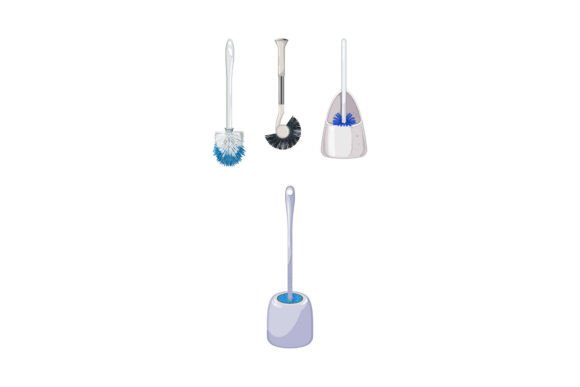
Different Types of Cleaning Toilet Brush Guide
Maintaining a pristine bathroom environment requires more than just elbow grease; it demands the right tools for the specific architecture of your space. For homeowners, interior designers, and facility managers, understanding the different types of cleaning toilet brush options is a matter of both hygiene and aesthetic integrity. The humble toilet brush has evolved from a generic plastic implement into a specialized instrument designed to address specific sanitation challenges while complementing modern bathroom decor. Selecting the appropriate tool ensures that cleaning is efficient, thorough, and aligned with the overall design language of the home or commercial space.
Material Innovation and Hygiene Standards
The effectiveness of any cleaning routine begins with the material composition of the tool itself. Traditional nylon bristles have long been the standard, but they present significant drawbacks regarding bacterial retention and scratching delicate porcelain glazes. Modern iterations prioritize non-porous materials that resist odor absorption and facilitate rapid drying. Silicone toilet brushes have emerged as a superior alternative for contemporary households. Their smooth, hydrophobic surfaces prevent debris from clinging between bristles, addressing one of the primary pain points of traditional brushes.
For those managing high-traffic facilities or prioritizing deep sanitation, antimicrobial-infused plastics offer an additional layer of protection. These materials actively inhibit microbial growth on the brush surface between uses. Conversely, eco-conscious creators and sustainable living bloggers often advocate for natural fiber alternatives like coconut coir or tampico. While these require more diligent maintenance to prevent mold, they offer a biodegradable solution that aligns with zero-waste initiatives. Understanding these material distinctions allows users to match their cleaning tools to their specific health standards and environmental values.
Bristle Density and Surface Compatibility
- Soft Silicone: Ideal for coated ceramics and smart toilets where abrasive damage must be avoided.
- Dense Nylon: Best suited for heavy-duty scrubbing in industrial settings or unglazed stoneware.
- Tapered Bristles: Designed to reach under rims and into jet holes without excessive force.
- Natural Fibers: Excellent for gentle daily maintenance in heritage homes with antique fixtures.
Ergonomic Design and Functional Geometry
Cleaning efficiency is directly correlated to ergonomic design. A brush that causes strain or fails to reach critical areas will inevitably lead to neglected spots and inconsistent hygiene. The geometry of the brush head dictates its utility. Standard cylindrical brushes are adequate for general bowl cleaning but often fail to navigate the complex curves of modern low-flow toilets. Angled or tapered heads are engineered specifically to bridge this gap, allowing users to clean beneath the rim and around the siphon jets without contorting their wrists.
For content creators focusing on accessibility or aging-in-place design, handle length and grip texture are paramount considerations. Extended handles reduce the need for bending, making bathroom maintenance accessible for individuals with mobility limitations. Textured, non-slip grips ensure safety even when wet. In compact urban apartments or tiny homes, collapsible or wall-mounted designs maximize vertical space. These functional variations demonstrate that the different types of cleaning toilet brush available today are responses to diverse architectural constraints and user needs, rather than mere stylistic choices.
Aesthetic Integration and Holder Systems
In modern interior design, utilitarian objects are no longer hidden away; they are curated elements of the visual landscape. The holder is as important as the brush itself, serving as both a storage vessel and a design accent. Open-cradle holders promote airflow and faster drying, reducing bacterial proliferation, while enclosed canisters offer a streamlined look that conceals the tool entirely. For designers and stylists, matching the finish of the toilet brush set to other hardware—such as faucets, towel bars, and light fixtures—creates a cohesive narrative within the space.
Matte black, brushed brass, and polished chrome finishes allow these tools to blend seamlessly into luxury bathrooms. Minimalist spaces benefit from wall-mounted magnetic holders that eliminate floor contact entirely, facilitating easier floor mopping and preventing water pooling. This integration of form and function transforms a necessary chore tool into a deliberate design choice. When selecting products for client projects or personal use, consider how the holder’s footprint interacts with the toilet’s base and the surrounding tile layout. A well-chosen set enhances the perceived cleanliness and organization of the entire room.
Smart Features and Technological Adaptations
Technology has even entered this niche category. UV-C sanitizing holders use ultraviolet light to neutralize pathogens on the brush head after each use, providing peace of mind for germ-conscious households. Some advanced systems include integrated drip trays with evaporation channels or replaceable head mechanisms that reduce plastic waste. For tech reviewers and smart home enthusiasts, these features represent the intersection of domestic robotics and manual hygiene. While not essential for everyone, they offer tangible benefits for families with young children, immunocompromised individuals, or anyone seeking to optimize their sanitation protocols through innovation.
Strategic Selection for Diverse Contexts
Choosing the right tool requires assessing the specific context of use. A vacation rental host faces different challenges than a homeowner with a vintage clawfoot tub. Rental properties demand durability, tamper resistance, and ease of replacement. Heavy-duty commercial-grade brushes with reinforced handles and replaceable heads are often the most cost-effective choice here. In contrast, a boutique hotel might prioritize bespoke aesthetics and premium tactile experiences to reinforce brand identity.
For educators teaching life skills or independent living, simplicity and clear visual cues are key. Color-coded systems can help distinguish bathroom tools from kitchen implements, preventing cross-contamination. Marketers and affiliate bloggers should focus on articulating these specific use cases rather than generic product descriptions. Highlighting how a specific brush solves a unique problem—such as cleaning a square-bowl toilet or maintaining a composting toilet system—provides genuine value to readers searching for solutions. Authenticity in recommendation builds trust far more effectively than superlative-laden reviews.
Maintenance Protocols for Longevity
Even the finest tool fails if poorly maintained. Establishing a care routine extends the lifespan of your investment and ensures consistent performance. After every use, rinse the brush thoroughly and allow it to air-dry completely before returning it to the holder. Trapping moisture accelerates degradation and fosters bacterial growth. Monthly deep cleaning involves soaking the brush and holder in a disinfectant solution or running dishwasher-safe components through a sanitization cycle.
- Rinse immediately after use to remove particulate matter.
- Suspend or position vertically to encourage complete drying.
- Sanitize the holder weekly to prevent biofilm accumulation.
- Inspect bristles monthly for fraying, deformation, or discoloration.
- Replace heads or entire units at the first sign of wear to maintain efficacy.
Recognizing when to replace a tool is part of professional-grade maintenance. Worn bristles lose their mechanical advantage and can harbor entrenched bacteria despite cleaning. By treating toilet brushes as consumable components of a larger hygiene system rather than permanent fixtures, users maintain higher standards of cleanliness over time. This mindset shift—from viewing cleaning tools as static objects to seeing them as dynamic elements of domestic infrastructure—is what separates adequate maintenance from exceptional care. Whether you are outfitting a new build, upgrading a rental portfolio, or simply refining your own home’s functionality, thoughtful selection and diligent upkeep of these essential tools yield dividends in both health and habitat quality.