Different Types of Shoe Polish Cream Containers and Applicators
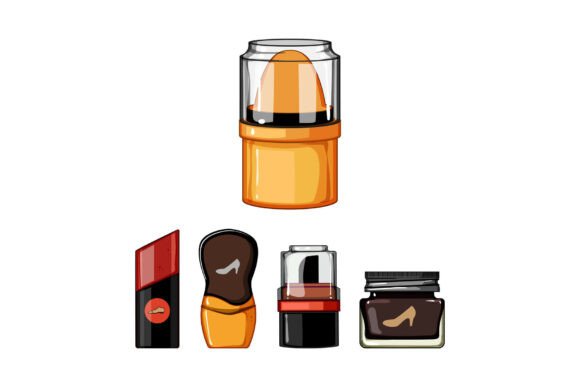
Achieving a mirror shine or simply maintaining the longevity of leather footwear requires more than just elbow grease; it demands an understanding of the tools and formulations at your disposal. While much attention is paid to the chemical composition of waxes and conditioners, the vessel that holds them and the instrument used to apply them are equally critical to the outcome. When exploring the different types of shoe polish cream containers, enthusiasts and professionals alike discover that packaging is not merely aesthetic. The shape, material, and opening mechanism of a container directly influence product preservation, ease of access, and application precision.
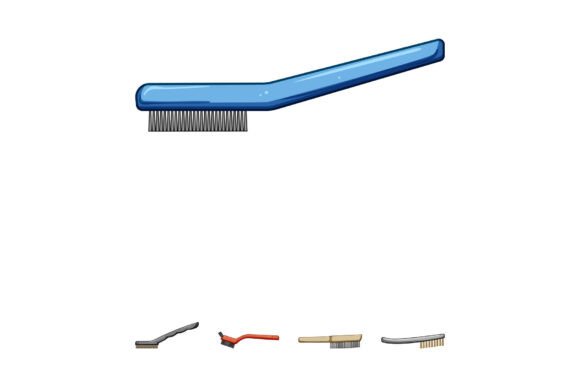
Furthermore, the ecosystem of leather care extends into a vast collection of brushes and applicators available in varied colors and shapes. These tools are color-coded and textured specifically to prevent cross-contamination and to address distinct stages of the grooming routine. Understanding this hardware is essential for anyone looking to elevate their shoe care regimen from a basic chore to a refined maintenance ritual.
The Functional Anatomy of Polish Containers
The market offers a surprising variety of storage solutions for leather care products. Each design addresses specific user needs, ranging from travel convenience to professional volume requirements. When evaluating the different types of shoe polish cream containers, consider how the packaging interacts with the product's consistency and your intended usage frequency.
Traditional Round Tins
The iconic round metal tin remains the industry standard for wax polishes. Typically constructed from aluminum or steel, these containers feature a friction-fit lid that creates a near-airtight seal. This design is crucial for solvent-based waxes that can dry out if exposed to air. The wide, shallow profile allows for easy loading of a brush or cloth, making it ideal for circular buffing motions. However, users should be aware that metal tins can dent, potentially compromising the seal over decades of use.
Glass Jars with Screw Caps
Premium cream polishes and conditioners often utilize glass jars. Glass is chemically inert, ensuring that no metallic taste or odor transfers to delicate leather treatments. The screw-top lid provides a secure seal superior to friction lids, making glass jars excellent for softer creams with higher oil content. From a visual standpoint, glass allows users to monitor product levels and color accuracy without opening the container, adding a layer of practicality to its elegance.
Squeeze Tubes and Bottles
For liquid polishes, conditioners, and travel-sized kits, plastic tubes and bottles dominate. These containers offer precise dispensing, reducing waste and preventing the mess associated with dipping fingers or brushes into open jars. They are particularly beneficial for applying product directly to hard-to-reach areas like welt seams. The limitation here is longevity; plastic can degrade over time when in constant contact with certain solvents, and they lack the heirloom quality of tin or glass.
Professional Bulk Dispensers
Cobblers and restoration specialists often rely on pump dispensers or large-mouth tubs. These are designed for high-volume efficiency rather than portability. Pump mechanisms allow for measured dosing, which is vital when treating multiple pairs of shoes in a commercial setting. While less common for home users, understanding these industrial options highlights the scalability of leather care systems.
Navigating the Collection of Brushes and Applicators
Once you have selected the appropriate container, the next step involves choosing the right tool for application. A comprehensive collection of shoe polish and cream containers with brushes and applicators in varied colors and shapes serves a functional purpose beyond mere organization. Color coding prevents the transfer of dark pigments to light leathers, while varying bristle stiffness dictates the tool’s role in the process.
Application Brushes vs. Buffing Brushes
It is a common misconception that one brush fits all purposes. In reality, leather care requires two distinct categories:
- Applicator Brushes: These typically feature softer bristles and a smaller surface area. Their primary job is to work cream or wax into the leather pores without scratching the surface. Dauber brushes, often with wooden handles and horsehair or synthetic tips, are the classic example. They are usually sold in sets with color-coded handles (e.g., black for black polish, brown for tan, white for neutral).
- Buffing Brushes: Larger and denser, these brushes are designed to generate heat through friction. This heat melts the wax slightly, allowing it to level out and create a shine. Horsehair is the gold standard for general buffing due to its natural oils and optimal stiffness. For high-gloss finishes, softer goat hair or yak hair brushes are preferred as they are gentle enough not to disturb the delicate wax layers.
Specialized Shapes and Textures
The shape of the brush head matters as much as the bristle type. Standard rectangular blocks cover large surfaces efficiently, but contoured brushes are indispensable for detailed work. Curved or pointed brushes reach into broguing holes, along welts, and around heel stacks where flat brushes cannot make contact. Additionally, microfiber cloths and cotton polishing pads serve as non-bristle applicators. These are essential for the final "mirror shine" stage, where lint-free texture is paramount.
Evaluating Suitability for Your Routine
Selecting from the different types of shoe polish cream containers and accompanying tools should be driven by your specific lifestyle and leather inventory. There is no single correct setup; rather, there is an optimal configuration for each user profile.
For the Casual Wearer
If you own fewer than five pairs of leather shoes and wear them rotationally, simplicity is key. A basic kit containing two round tins (black and neutral), one universal horsehair buffing brush, and two dauber brushes is sufficient. Squeeze tube conditioners may be preferable here for their ease of use and lower risk of spillage. Focus on tools that require minimal maintenance and offer quick results.
For the Enthusiast and Collector
Those with extensive collections benefit from modularity. Investing in glass jars for premium creams preserves product integrity over years of intermittent use. A full spectrum of color-coded daubers ensures that a cordovan shoe never accidentally receives navy pigment. Enthusiasts should also explore varied brush shapes, including detailing brushes for intricate patina work. Storage solutions, such as wooden valet boxes or roll-up brush holders, become part of the experience, keeping the collection organized and protected.
For Professionals and Business Owners
Durability and hygiene take precedence. Metal tins and bulk dispensers withstand daily abuse better than glass. Synthetic applicator brushes may be preferred over natural hair in some contexts because they can be sanitized more aggressively and replaced cheaply. Clear labeling systems are essential when managing a diverse array of products. For businesses offering shoe shining services, the visual presentation of the toolkit also communicates professionalism to clients; well-maintained, branded, or aesthetically pleasing containers enhance perceived value.
Practical Considerations and Limitations
While upgrading your leather care arsenal improves results, it is important to manage expectations. High-quality containers and brushes facilitate the process, but they do not replace technique. A premium horsehair brush will not produce a shine if the underlying leather is neglected or if too much product is applied.
Additionally, consider the environmental impact of your choices. Metal tins are infinitely recyclable, whereas mixed-material pumps and plastic tubes often end up in landfills. Refillable glass systems represent a sustainable middle ground, allowing users to purchase bulk refills and reduce packaging waste over time.
Maintenance of the tools themselves is another factor often overlooked. Brushes accumulate wax and dust, eventually becoming clogged and ineffective. Regular cleaning with mild soap or specialized brush cleaners extends their lifespan. Similarly, containers should be wiped down after each use to prevent residue buildup that can attract dirt or compromise seals.
Final Thoughts on Leather Care Hardware
The journey to mastering leather footwear care is as much about the instruments as it is about the substances. By understanding the different types of shoe polish cream containers, you gain control over product freshness and application ergonomics. By curating a thoughtful collection of brushes and applicators in varied colors and shapes, you ensure precision, prevent damage, and streamline your workflow.
Whether you are restoring a vintage boot, maintaining daily drivers, or running a cobbler shop, the right combination of container and tool transforms maintenance from a tedious obligation into a satisfying craft. Evaluate your needs honestly, invest in quality where it counts, and remember that the best tool is the one that encourages you to care for your footwear consistently. Proper leather care is a long-term investment, and the hardware you choose forms the foundation of that enduring relationship with your shoes.