Indigo Pink Meadow Floral Seamless: Elevating Surface Design with Handcrafted Texture
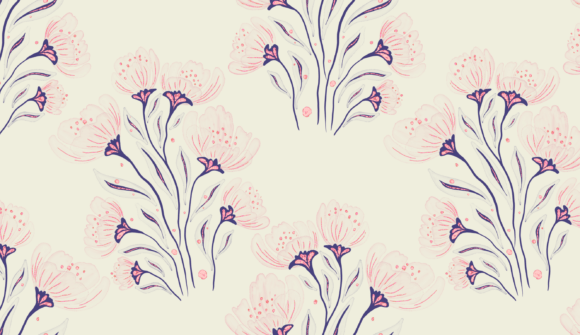
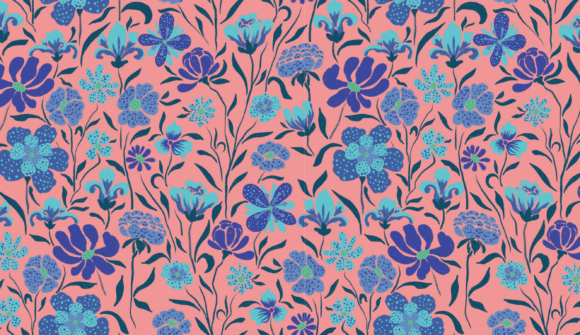
Bringing a touch of handcrafted elegance to creative projects requires more than just selecting a pretty color palette; it demands an understanding of texture, resolution, and artistic intent. The Indigo Pink Meadow Floral Seamless pattern offers a sophisticated botanical theme inspired by summer meadows, but its true value lies in its quiet luxury aesthetic. Created entirely with professional dry ink brushes, this design provides a unique, grainy texture that digital vectors often lack. For designers, makers, and entrepreneurs, understanding how to properly utilize this specific artistic style is the difference between a generic print and a premium product.
Many creators are drawn to the bold contrast of deep indigo and soft pink because it feels modern and high-end. However, incorporating this seamless floral pattern into professional surface design involves technical considerations that go beyond simple file placement. Whether you are designing luxury gift wrap, apparel, or designer wallpaper, recognizing the nuances of dry ink illustration ensures your final output honors the original hand-drawn quality.
Understanding the Value of Dry Ink Texture in Digital Patterns
A common misunderstanding when evaluating floral seamless patterns is prioritizing crisp, clean lines over artistic character. In the era of AI-generated imagery and vector art, many designers have become accustomed to perfectly smooth edges. The Indigo Pink Meadow Floral Seamless deliberately breaks this mold. The dry ink brush technique creates a grainy, organic edge that mimics traditional media. Overlooking this texture is a frequent mistake that leads to poor material choices.
If you treat this file as a standard flat graphic, you may select substrates that flatten the image. For example, printing this design on high-gloss vinyl can sometimes make the dry ink texture look like digital noise or compression artifacts rather than intentional artistic grit. To avoid this, pair the pattern with matte finishes, uncoated papers, or natural fabrics like linen and cotton. These materials absorb ink in a way that complements the hand-drawn aesthetic, enhancing the quiet luxury feel rather than fighting against it. Always request a physical strike-off or test print on your intended material before committing to a full production run to ensure the texture translates correctly.
Resolution and File Format: Avoiding Quality Loss
Technical specifications are not merely suggestions; they are the guardrails of professional printing. This collection includes both PNG and JPEG formats at 3600 x 3600 pixels and 300 DPI. A critical error occurs when designers assume these formats are interchangeable for every application. While the JPEG is excellent for immediate professional use and fabric printing due to its manageable file size and color profile embedding, the PNG serves a distinct purpose.
The high-fidelity PNG preserves the subtle nuances of the original dry ink texture without compression artifacts. If you are creating luxury stationery or high-quality sublimation products where edge definition is paramount, relying solely on the JPEG might result in slight softening around the intricate botanical details. Conversely, using the massive PNG file for web mockups or low-resolution digital proofs can slow down your workflow unnecessarily. Assess your end goal before opening the file. For apparel and home decor where durability and color vibrancy matter most, verify that your printer’s RIP software handles the 300 DPI resolution natively without upscaling, which would destroy the delicate grain structure of the indigo and pink meadow illustration.
Color Management for Deep Indigo and Soft Pink
The bold contrast between deep indigo and soft pink is visually striking on screen, but color management remains a significant hurdle in surface design. Monitors display light (RGB), while printers use pigment or dye (CMYK). A frequent oversight is failing to account for how deep indigos shift during the conversion process. Without proper profiling, rich indigos can turn muddy or purple, and soft pinks can become neon or washed out.
To maintain the sophisticated botanical theme, do not rely on automatic color conversion. Work with a print provider who specializes in textile or fine art printing and ask about their specific ICC profiles for the substrate you are using. If you are handling the printing yourself, soft-proof the Indigo Pink Meadow Floral Seamless file using the target printer’s profile before sending it to production. This step allows you to adjust saturation and contrast digitally to compensate for ink absorption. Remember that the "quiet luxury" aesthetic relies on muted, intentional tones; oversaturating the file to compensate for perceived dullness often ruins the handcrafted elegance of the dry ink work.
Scaling and Repeat Logic in Seamless Designs
Even though a file is labeled "seamless," improper scaling can disrupt the visual flow. Beginners often resize patterns arbitrarily to fit a specific product dimension, inadvertently altering the scale of the botanical elements. Enlarging the Indigo Pink Meadow Floral Seamless beyond 100% will expose pixelation in the dry ink texture, making it look low-quality. Reducing it too small may cause the grainy details to merge into solid blobs, losing the meadow-inspired intricacy.
Before applying the pattern, determine the ideal physical scale of the flowers relative to your product. A large-scale repeat works beautifully for drapery or wallpaper, creating an immersive environment. A smaller scale is better suited for garment sewing or gift wrap. Use design software that maintains the aspect ratio and respects the 3600 x 3600 pixel boundary. If you need a different scale, it is better to adjust the layout within the tile or source a variation designed for that size rather than stretching the master file. Respecting the original resolution protects the integrity of the hand-drawn lines.
Evaluating Suitability for Your Specific Project
Not every trend suits every brand, and the Indigo Pink Meadow Floral Seamless is no exception. Before purchasing or licensing, critically evaluate whether this specific aesthetic aligns with your audience. The combination of indigo and pink with dry ink texture leans towards artisanal, mature, and refined markets. It may clash with brands focused on hyper-modern minimalism, neon streetwear, or juvenile themes.
Create realistic mockups using the provided files before finalizing your decision. Place the pattern on actual product templates rather than flat squares. Observe how the seamless repeat interacts with seams, folds, and curves. Does the grainy texture read as premium or distressed in your specific context? Does the color contrast meet accessibility standards if used for digital backgrounds with text overlay? Taking time to validate the design’s performance in your specific niche prevents costly reprints and ensures the handcrafted elegance enhances, rather than distracts from, your creative vision.
Ultimately, success with premium seamless patterns comes from treating them as collaborative art rather than disposable assets. By respecting the dry ink texture, managing color accurately, choosing appropriate substrates, and maintaining proper resolution, you transform a digital file into a tangible expression of quiet luxury. The Indigo Pink Meadow Floral Seamless offers a robust foundation for professional surface design, provided it is handled with the technical care and artistic appreciation it deserves.