Evaluating the Magenta Meadow Floral Seamless Pattern for Professional Surface Design
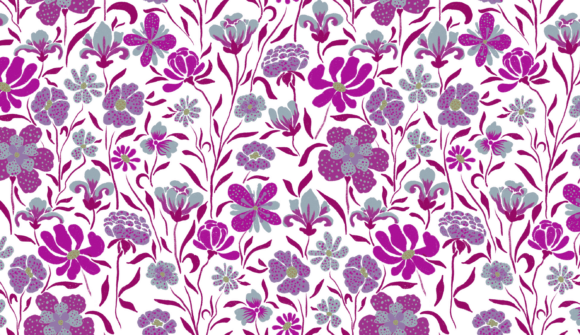
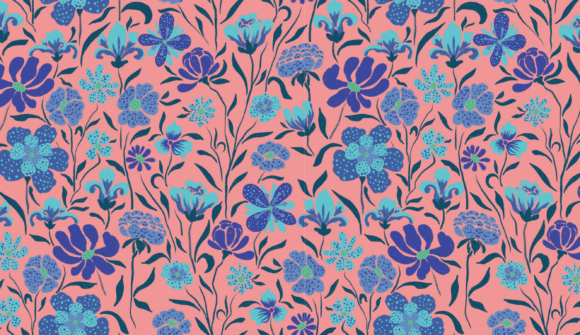
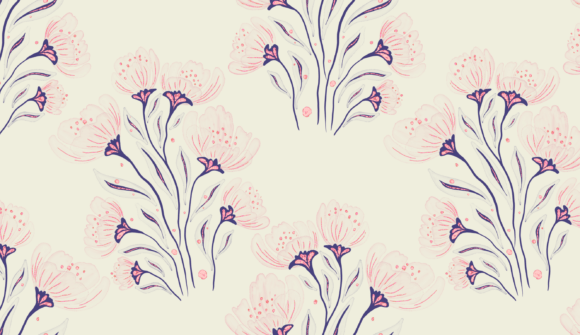
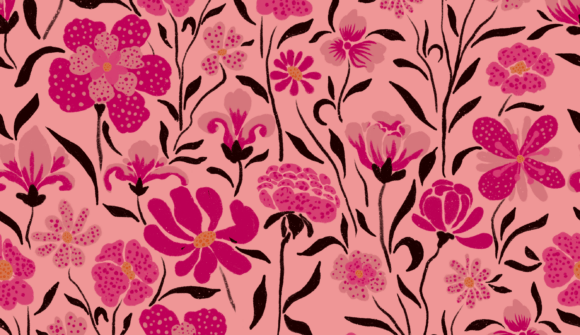
Selecting the right surface pattern requires balancing aesthetic appeal with technical reliability. The Magenta Meadow Floral Seamless Pattern represents a specific niche in digital asset libraries: hand-drawn botanical art that bridges the gap between traditional illustration and modern commercial application. Unlike vector-based florals or AI-generated repeats, this design is rooted in manual creation using Procreate’s dry ink brushes. This distinction matters significantly for designers and product developers who prioritize texture and organic imperfection over mathematical perfection. When evaluating this resource against other market options, it is essential to understand how its handcrafted origin influences both its visual impact and its practical limitations in production workflows.
Distinguishing Hand-Drawn Texture from Vector and AI Alternatives
The primary differentiator of the Magenta Meadow Floral Seamless Pattern is its grainy, dry ink texture. In a marketplace saturated with smooth vectors and hyper-realistic AI renders, this tactile quality offers a distinct advantage for brands seeking a "quiet luxury" aesthetic. Vector patterns are infinitely scalable and clean, making them ideal for corporate branding or minimalist packaging where sharp edges are paramount. However, they often lack the emotional resonance of human touch. Conversely, AI-generated patterns can produce complex compositions quickly but frequently suffer from anatomical inconsistencies in botanical structures or a synthetic sheen that feels impersonal.
This pattern occupies a middle ground. The use of professional dry ink brushes creates depth through varying opacity and edge roughness that mimics traditional media. For projects requiring a sophisticated, artisanal feel—such as boutique stationery or high-end textile printing—this organic texture communicates value more effectively than sterile digital lines. However, this comes with a tradeoff. Because the texture relies on rasterized brush strokes rather than mathematical paths, the file size is larger, and scaling beyond the native 3600 x 3600 pixel resolution will result in quality loss. Designers accustomed to the infinite scalability of SVGs must plan their layout dimensions carefully when working with this raster-based asset.
Technical Specifications and Production Readiness
Understanding the technical deliverables is crucial for determining fit. The Magenta Meadow Floral Seamless Pattern includes two distinct file formats tailored for different stages of the design process:
- Seamless PNG (Pink Background): This high-fidelity file preserves the subtle nuances of the dry ink texture. It is best suited for digital mockups, web presentations, and layered compositions in Photoshop where maintaining the integrity of the brushwork is critical. The transparency capabilities (if utilized) or solid color base allow for easy integration into existing colorways.
- Seamless JPEG (Pink Background): Optimized at 300 DPI for immediate print production. This format reduces file overhead while retaining sufficient detail for physical manufacturing. It is the industry standard for direct-to-garment printing, wallpaper production, and sublimation.
The 3600 x 3600 pixel dimension equates to a 12-inch by 12-inch repeat at 300 DPI. This is a versatile mid-range scale. It is sufficiently large for home decor items like throw pillows and wall coverings without creating excessive data bloat. However, for large-format applications such as drapery or upholstery, designers should verify if this repeat scale aligns with their manufacturer’s specifications. Some industrial textile printers prefer larger repeats to minimize visible seam lines on wide goods, whereas this 12-inch tile is optimized for apparel, gift wrap, and smaller home accents.
Color Theory and Market Positioning
The bold magenta and deep rose palette positions this pattern within the current trend cycle favoring maximalist botany and rich saturation. When comparing color options, it is helpful to evaluate how this specific hue range performs across different substrates. Deep roses and magentas generally reproduce well in dye-sublimation and reactive digital printing because they fall safely within most CMYK gamuts. Lighter pastels can sometimes appear washed out on uncoated papers, while neon brights may shift unexpectedly during fabric curing. The chosen palette for Magenta Meadow mitigates these risks, offering a reliable color profile for professional output.
From a stylistic perspective, the pink background serves as a deliberate design choice rather than a neutral placeholder. This makes the pattern immediately usable for gender-specific or seasonally themed collections (e.g., Valentine’s Day, Spring/Summer fashion). However, this specificity also limits versatility compared to patterns offered on white, black, or cream bases. If your project requires a dark mode adaptation or a neutral foundation for overlaying typography, you would need to invest additional time in recoloring the background layer. Designers should weigh the convenience of a pre-colored, cohesive look against the flexibility of a neutral base when selecting resources.
Best-Fit Scenarios vs. Limitations
No single design asset suits every project. Based on its construction and aesthetic properties, the Magenta Meadow Floral Seamless Pattern excels in specific contexts while presenting challenges in others.
Ideal Use Cases:
- Luxury Gift Wrap and Packaging: The dry ink texture translates beautifully to matte paper stocks, enhancing the perceived value of the packaging through tactile visual cues.
- Boutique Apparel and Accessories: The 12-inch repeat is perfectly scaled for scarves, blouses, and linings where a massive scale would overwhelm the garment’s silhouette.
- Artisan Home Decor: Throw pillows, table runners, and lampshades benefit from the organic, non-repetitive appearance of hand-drawn elements.
- Premium Stationery: Wedding invitations and greeting cards that require a romantic yet modern botanical theme.
Situations Requiring Alternatives:
- Large-Scale Murals or Drapery: The fixed resolution and repeat size may not support expansive surfaces without visible tiling or pixelation.
- Minimalist or Corporate Branding: The ornate, colorful nature of the design conflicts with clean, reserved brand identities that demand negative space and muted tones.
- Editable Color Separation Projects: As a flattened raster image, separating individual colors for screen printing is labor-intensive. Vector alternatives are superior for multi-color spot printing.
- Monochrome Applications: While convertible to grayscale, the design relies heavily on color contrast between the magenta blooms and pink ground. Removing color diminishes the legibility of the floral forms.
Making an Informed Selection Decision
When deciding whether to integrate the Magenta Meadow Floral Seamless Pattern into your workflow, consider the balance between artistic authenticity and production efficiency. If your priority is speed, editability, and infinite scalability, a vector-based floral library may serve you better. If your goal is photorealism without texture, AI tools might provide faster iteration. However, if your project demands the credibility of handcrafted artistry and you are working within the constraints of standard digital printing resolutions, this pattern offers a compelling solution.
Evaluate your end product’s physical characteristics. A silk scarf benefits immensely from the fluid, painterly quality of dry ink simulation, whereas a rigid plastic phone case might render the same texture as mere noise. Always request or create a test swatch at actual size before committing to full production. Verify that the 300 DPI JPEG meets your printer’s minimum requirements and that the pink background tone matches your Pantone references. By treating this asset as a specialized tool rather than a universal fix, you can leverage its unique strengths to elevate projects that specifically call for vibrant, textural botanical elegance.
Ultimately, the value of this resource lies in its specificity. It solves a particular problem for designers who need professional-grade, hand-illustrated florals without commissioning custom artwork. Understanding its parameters ensures that it enhances your portfolio rather than complicating your production timeline. Whether used as a standalone hero print or a supporting accent, its success depends entirely on aligning its inherent qualities with the appropriate commercial application.