Blue Tropical Floral Seamless Pattern: Organic Design
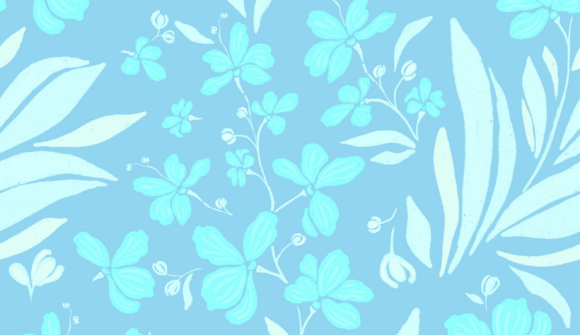
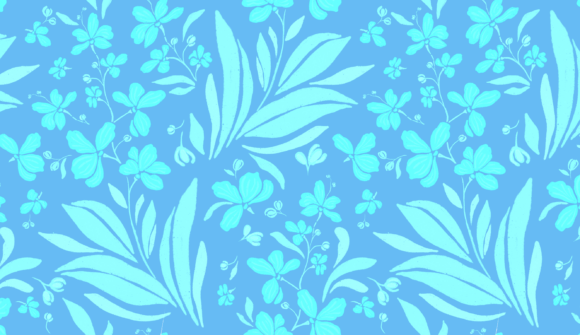
In the saturated market of digital surface design, finding a motif that balances tropical vibrancy with sophisticated restraint is a distinct challenge. The Blue Tropical Floral Seamless Pattern addresses this specific aesthetic gap by moving away from the high-saturation neons often associated with summer themes. Instead, it utilizes a monochrome blue palette rendered through hand-drawn dry ink brushes in Procreate. This technical choice transforms standard botanical elements—orchids, palm leaves, and berry branches—into something with tangible texture and artisan warmth. For designers, makers, and brand owners, this distinction matters because it shifts the visual narrative from generic vacation wear to curated, organic elegance.
The value of this asset lies not just in its imagery, but in its execution. Hand-drawn textures carry imperfections that vector art cannot replicate. The dry ink technique creates a graininess that mimics traditional block printing or charcoal sketching. When applied to physical products, this texture prevents the design from looking flat or digitally sterile. It provides a sense of depth and history, making new products feel established and thoughtfully crafted. Whether you are developing a summer fashion capsule or designing bespoke stationery, understanding how this specific textural quality influences consumer perception is essential for effective application.
Elevating Summer Collections Beyond Cliché
Summer fashion and textile design frequently rely on predictable color stories of bright coral, lime green, and sunshine yellow. While these have their place, they can limit the versatility of a collection. The monochrome blue approach of this Blue Tropical Floral Seamless Pattern offers a strategic alternative. Blue is inherently cooling and universally flattering across skin tones, making it a safer commercial bet for apparel while still signaling seasonal relevance through the botanical subject matter.
For fashion designers and sewists, this pattern serves as a foundational print that pairs effortlessly with solid linens, denims, and whites. The orchid and palm motifs provide enough visual interest to stand alone as a statement piece, yet the restrained colorway ensures it does not clash when layered. Consider a resort wear line where customers want to mix and match; a monochrome floral acts as a neutral anchor. Furthermore, the 300 DPI resolution at 3000 x 3000 pixels ensures that the dry ink details remain crisp even when printed on large-format fabrics like maxi dresses or wide-leg trousers. Low-resolution patterns often reveal pixelation on garment hems or seams, but this specification maintains integrity across various yardages.
Technical Specifications for Professional Print Results
Digital assets must translate flawlessly to physical media to be truly useful. This pattern is delivered in both PNG and JPEG formats with an included background, specifically optimized for professional printing workflows. Understanding why these specs matter helps prevent costly production errors:
- 300 DPI Resolution: This is the industry standard for offset and digital textile printing. It ensures that the fine lines of the berry branches and the porous texture of the dry ink do not appear jagged or blurry upon close inspection.
- 3000 x 3000 px Dimensions: This square tile size offers flexibility. It is large enough to show significant detail without creating an overwhelming repeat scale on smaller items like pocket squares or notebook covers.
- Included Background: Unlike transparent PNGs that require you to select and color-match a backdrop, this file comes ready-to-print. This eliminates the risk of white hairlines appearing between tiles during registration shifts in the printing process.
- Seamless Tiling: True seamless repetition is critical. When wrapping wallpaper or printing continuous fabric rolls, visible grid lines destroy the illusion of hand-drawn art. This pattern is engineered to flow organically across edges.
Applications in Branding and Packaging Identity
For small business owners and marketers, packaging is often the first tactile touchpoint a customer has with a brand. The artisan quality of the dry ink texture communicates values of sustainability, craftsmanship, and attention to detail more effectively than glossy, mass-produced graphics. Using the Blue Tropical Floral Seamless Pattern on uncoated paper stocks enhances this effect; the ink texture visually harmonizes with the natural tooth of recycled or cotton papers.
This pattern is particularly effective for brands in the wellness, beauty, or boutique hospitality sectors. Imagine a skincare box wrapped in this monochrome blue floral; it suggests calm and hydration rather than aggressive energy. For stationers and publishers, the design works beautifully for journal covers, greeting cards, and wedding suites. The organic nature of the hand-drawn lines softens the formality of event stationery, making it appropriate for modern celebrations that prioritize authenticity over rigidity. Because the file includes the background color, it can be directly applied to packaging dielines without additional manipulation, streamlining the pre-press workflow for freelancers and agencies working under tight deadlines.
Interior Design and Wallpaper Considerations
Wallpaper demands a different set of criteria than fashion or packaging. A pattern that looks beautiful as a swatch can become chaotic when repeated across four walls. The spacing in this Blue Tropical Floral Seamless Pattern is designed with negative space in mind. The distribution of orchids and palm leaves allows the eye to rest, preventing visual fatigue in interior environments.
However, users should consider the scale relative to room size. At 3000 pixels, the repeat is substantial. In a powder room or accent wall, this creates a lush, immersive environment. In a smaller space, designers might choose to scale the pattern down digitally before printing to increase the density of the motif. The monochrome blue palette also aids in spatial perception; cooler tones generally recede, making rooms feel airier and more open compared to warm, dark tropical prints. Always order a test swatch on your chosen wallpaper substrate, as the dry ink texture may interact differently with vinyl versus non-woven paper surfaces.
Navigating Limitations and Fit
While versatile, this specific aesthetic is not a universal solution. Recognizing where it fits—and where it doesn't—is part of professional selection. The dry ink texture is inherently matte and rustic. If your project requires high-gloss sheen, neon brightness, or precise geometric symmetry, this hand-drawn style may conflict with your brand guidelines. The organic irregularities that give it charm could be perceived as "messy" in ultra-modern or tech-focused contexts.
Additionally, the monochrome limitation is intentional but restrictive. If your product line relies on color-coding (e.g., distinguishing flavors or sizes by hue), you will need to either recolor the asset or use it solely as a decorative secondary element. Users should also verify color profiles. While provided in RGB/standard formats for digital viewing, professional textile printing often requires CMYK conversion. Always perform a proof print to ensure the specific shade of blue translates correctly to your target material, as blues can sometimes shift toward purple or grey depending on the ink set and fabric base.
Maximizing Creative Efficiency
Ultimately, integrating the Blue Tropical Floral Seamless Pattern into your workflow is about balancing creative vision with practical efficiency. Creating a high-quality, hand-drawn seamless pattern from scratch requires dozens of hours of illustration, digitization, and tiling correction. By utilizing a pre-made asset with verified technical specifications, creators reclaim time to focus on product development, marketing strategy, and customer engagement.
Whether you are a hobbyist sewing a summer dress, an educator creating engaging visual materials, or a publisher designing a bestseller cover, the goal is to leverage professional-grade assets that elevate the final output. The combination of organic artistry and rigorous technical standards in this pattern ensures that your projects look intentional and polished. It bridges the gap between the desire for unique, human-centric design and the demands of scalable, commercial production, proving that practical utility and artistic beauty can coexist seamlessly.